
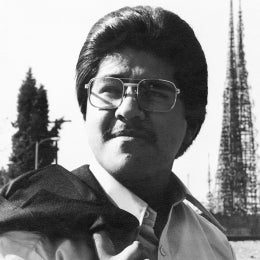
The Luis J. Rodriguez Papers are now open for research in UCSB Library's Department of Special Research Collections. First acquired in 2019 and expanded through two recent additions, the collection documents the life, literary works, and social advocacy of the renowned American author, poet, mentor, musician, artist, and Chicano activist.
Born in El Paso, Texas, in 1954 and raised in East Los Angeles, Luis Javier Rodriguez is a pivotal artist and public figure whose life and work illuminate the modern history of Chicanismo – from the Los Angeles high school walkouts and the Chicano Moratorium to contemporary community advocacy. His experiences with gangs, drugs and urban hardships in his early life informed his classic 1993 memoir, Always Running: La Vida Loca, Gang Days in L.A. Written as a cautionary tale for his son, the bestseller became a seminal work of contemporary Chicano literature and a nationally recognized text on urban youth culture and gang intervention. Transformative experiences leading away from his youth as a gang member, drug addict and petty criminal, led Rodriguez to become a journalist, labor organizer, community organizer, poet, memoirist, independent publisher, gang mediator, and youth mentor.
The Luis J Rodriguez Papers span more than three decades of materials documenting Rodriguez's creative output, political organizing, and community development, and provide scholars, students, and community members with a rich resource for studying Chicano literature, grassroots activism, and social movements.
Collection highlights include:
-
Personal and professional papers: Journals, notebooks, office files, and voluminous correspondence detailing all phases of his life and career.
-
Literary and publishing archives: Original manuscripts, submissions to his independent publishing house, Tía Chucha Press – over half by Chicano authors – and rare magazines and periodicals from various phases of Chicano culture, including early issues of Lowrider magazine.
-
Community intervention and activism: Files on gang violence reduction initiatives in Los Angeles and El Salvador, and records from Youth Struggling for Survival and Tía Chucha’s Centro Cultural and Bookstore.
-
Political and media collections: Pamphlets and fliers from the 1970s, documentation of his work with the Communist Labor Party, editorship files for the People's Tribune, and three decades of photographs, audio recordings, and video footage.